
Recent prices
Brisbane


4 minutes
Note: This is a general approach and each carrier and service company handle things differently.
Moving a vehicle across Australia is a big decision. The good news: reputable carriers apply layered security, from vetted drivers and load-restraint systems to GPS tracking and insured movements, to keep your car safe from pickup to delivery. Here’s a plain-English look at the safeguards you should expect, plus a few simple ways you can help.
Professional providers partner only with carriers who hold the right commercial licences and maintain active transit cover. At a minimum, movements should be protected by Transit Insurance / Carrier’s Liability while your vehicle is in the carrier’s care. Before you book, ask for confirmation of cover and what’s included. If you want a refresher on cover basics, see Is my car insured?
Australian carriers work under national safety laws and fatigue-management obligations designed to keep people and freight safe. Practically, this means trained drivers, compliant equipment, planned rest breaks, and vehicles maintained to standard. Reputable operators also run pre-departure checks and escalate any safety concerns rather than “pushing on”.
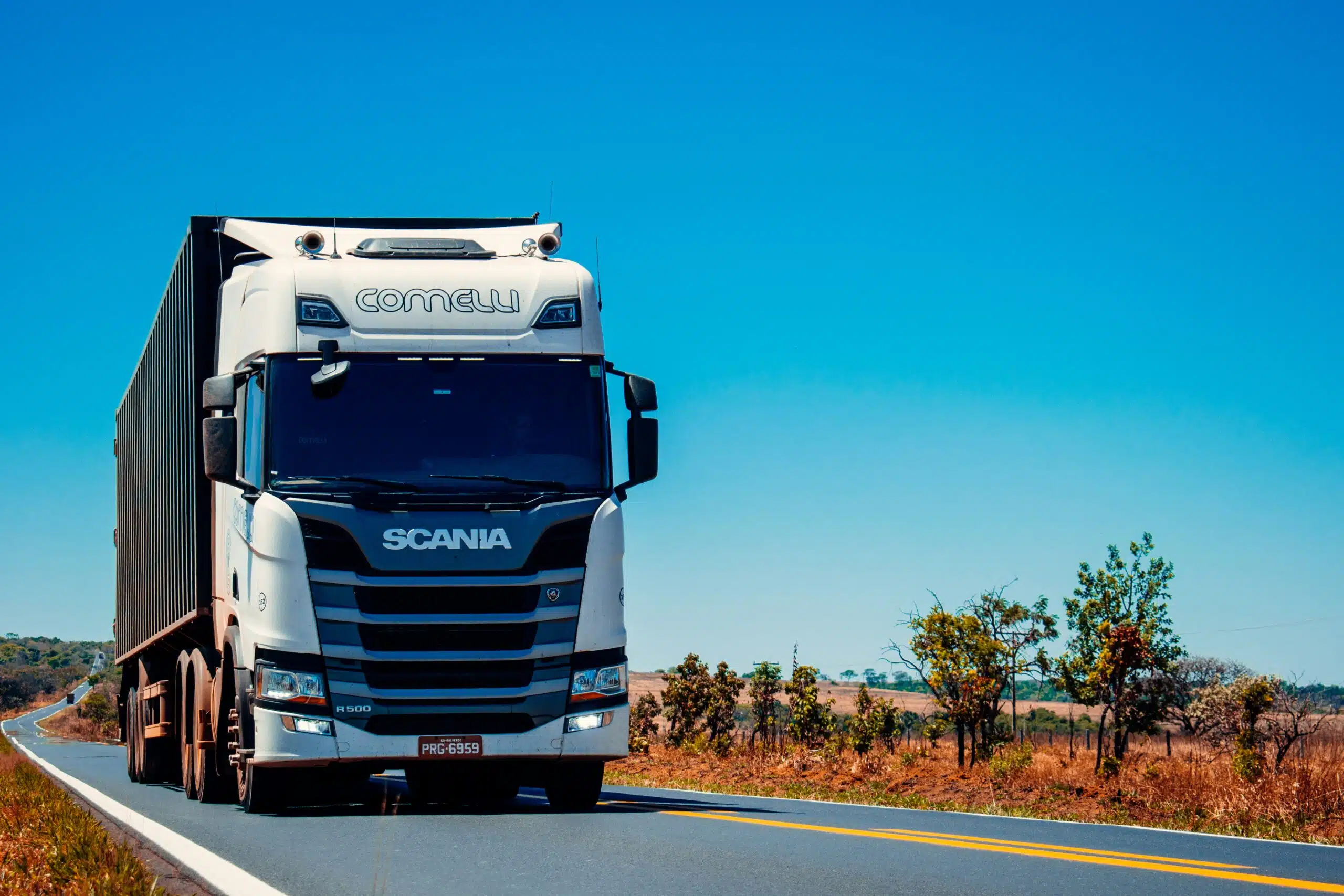
The biggest day-to-day risk is incorrect restraint. Quality carriers follow Australian load-restraint guidelines, using purpose-built tie-downs, wheel chocks, soft straps and anchor points to prevent movement without stressing the vehicle. Low-clearance, prestige or modified cars may be loaded with extended ramps or tail-lift/tilt-tray equipment to avoid underbody contact.
On pickup and delivery, drivers note the visible condition and take time-stamped images so everyone agrees on how the vehicle presented and arrived. This protects you and the carrier, speeds up any claim if needed, and creates a transparent chain of custody. You can help by having the car clean so marks are easy to see.
Tip: Remove personal belongings, these generally aren’t covered under vehicle freight policies. More detail here: Can I pack the vehicle with personal items?
Most modern fleets run GPS or telematics for real-time location and performance data. Dispatch teams plan routes for clearance, traffic and weather, and keep you posted on estimated arrival. If you’re after timing guidance across common corridors, see How long does it take to move a car?
Simple but essential: keys are separated, tagged and stored securely; only authorised staff handle your vehicle; and loaded carriers are kept locked down during stops. At depots, vehicles are held in fenced areas with CCTV and controlled entry.
Higher-risk moves get extra controls:
Your contact details, addresses and vehicle info are handled under privacy policies and need-to-know access. Read how we manage your details in our Privacy Policy.
Even with best practice, rare incidents can happen. A professional provider will outline the claims pathway, what evidence is needed (photos, paperwork), any excess, and expected timeframes, then help you through it. You can always contact us directly viaContact Us for assistance.
Key Takeaways
National Car Movers connects you with vetted, fully insured Australian carriers and keeps you informed from quote to delivery. Get transparent pricing and the right transport method for your vehicle and route.
Get an instant quote or speak to our local team via Contact Us.