
Recent prices
Brisbane


5–6 minutes read
Note: This is a general approach and each carrier and service company handle things differently.
Transporting a vehicle across Australia whether interstate or locally doesn’t have to be stressful. One of the easiest ways to ensure a smooth experience is to know exactly what to expect on pickup and delivery day. This guide walks you through every step, so you’re well prepared when the carrier arrives and when your vehicle is handed over.
Before your car is collected, there are a few important things you’ll need to take care of. The transporter will perform a vehicle inspection, so it’s critical that the vehicle is clean. A clean car makes it easier to identify any pre-existing damage such as dents, scratches or chipped paint. Take time to remove all personal belongings from the vehicle, as most car carriers do not cover the contents during transit.
Check your vehicle’s fuel level, it should ideally be around one-quarter full. This provides just enough fuel for loading and unloading without adding unnecessary weight. Also check tyre pressure, battery health, and that your handbrake is functional.
Once ready, have your keys accessible and prepare any relevant paperwork. If someone else will be handing over the vehicle, let the transport company know in advance and ensure that person has written authority and ID if needed.
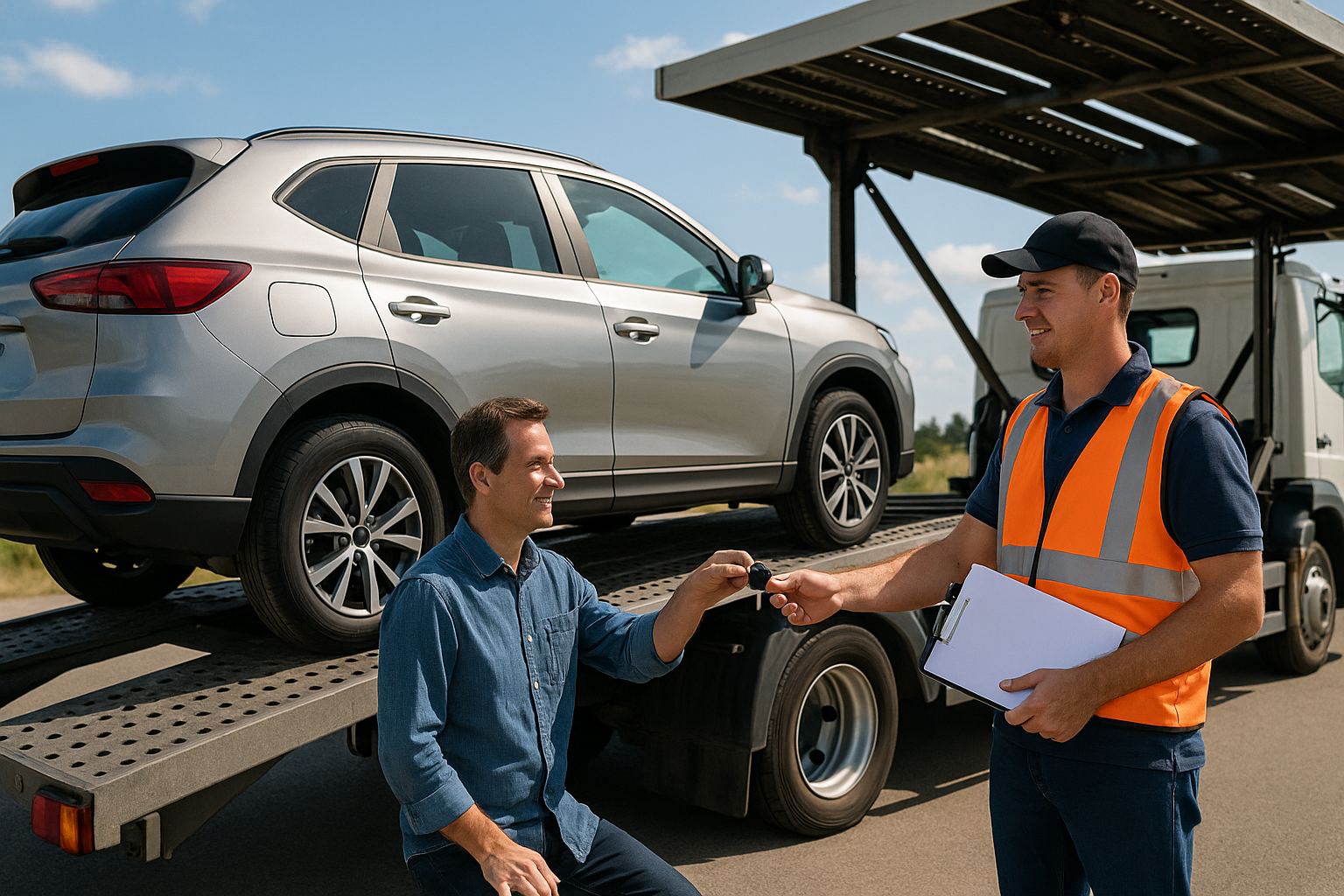
On the day of collection, the carrier will arrive within the pre-agreed time window. They will inspect the car with you (or your authorised contact), noting its condition in a Vehicle Condition Report (VCR). This report is crucial, as it forms the basis for any insurance claims in the event of damage during transit.
Photograph your vehicle from multiple angles before handing it over. Include close-ups of existing marks or damage and confirm that these are accurately listed in the VCR. If your vehicle is not in working condition, the driver will use special equipment to load it, be sure this has been communicated earlier to avoid delays or re-quotes. After completing the inspection and documentation, you or the nominated person will sign off on the condition report, and the carrier will load your car for transport.
Once your vehicle is en route, National Car Movers’ trusted partners will keep it safe and secure. While in transit, your vehicle is covered by Transit Insurance or Carriers Liability Insurance, giving you peace of mind against unexpected events.
Some carriers offer GPS tracking or proactive SMS/email updates. If you’re unsure whether this is included in your booking, reach out to your assigned transport coordinator. In the event of route changes or delays, reputable providers will inform you in a timely manner and adjust delivery times accordingly. Transit durations vary depending on distance, weather, and road conditions, so staying flexible and informed is important.
When your vehicle arrives at the destination, either you or a nominated person must be present to accept delivery. A second inspection will take place to compare the vehicle’s condition to the original pickup report. This step is essential to identify any new damage that may have occurred in transit.
Take the same care in inspecting your vehicle as you did at pickup, walk around it, check the bodywork, undercarriage, windows, lights, and tyres. Take fresh photos as proof of condition at delivery. If everything checks out, you’ll sign the VCR confirming receipt and condition of the vehicle.
If you notice any issues, document them clearly, raise them with the driver, and contact the transport provider immediately. Do not sign off as “received in good condition” until the matter is recorded and acknowledged.
While rare, delivery delays can happen due to weather, road closures, or carrier scheduling issues. In such cases, reputable companies like National Car Movers will keep you informed with revised ETAs and help manage any rescheduling.
Should a delay be more than 24–48 hours from the original delivery window, contact customer support to get a formal update and discuss next steps. Having realistic expectations and maintaining open communication can go a long way in reducing stress during unexpected delays.
Key Takeaways
Knowing what to expect at both pickup and delivery helps reduce stress and makes the process seamless. By preparing your car, attending the inspections, and communicating with your transport provider, you increase the likelihood of a hassle-free experience.
National Car Movers works with fully licensed, insured, and experienced carriers who prioritise safety, communication, and customer care. We’re here to guide you through every step of your car transport journey across Australia.
Get a free instant quote now or speak with our friendly, Australian-based support team at 1300 396 099. Let us help you move your vehicle with confidence, no hidden costs, no guesswork, just trusted service.