
Recent prices
Brisbane


4–5 minutes read
Note: This is a general approach and each carrier and service company handle things differently.
When planning to move your vehicle interstate, one of the most common questions we hear is: does car size really affect transport costs? The short answer is yes and for good reason. From the amount of space a car occupies on a carrier to how it’s loaded and transported, vehicle dimensions directly impact pricing, logistics, and carrier availability. In this guide, we’ll unpack how vehicle size factors into transport costs and how you can make informed decisions when booking interstate car transport in Australia.
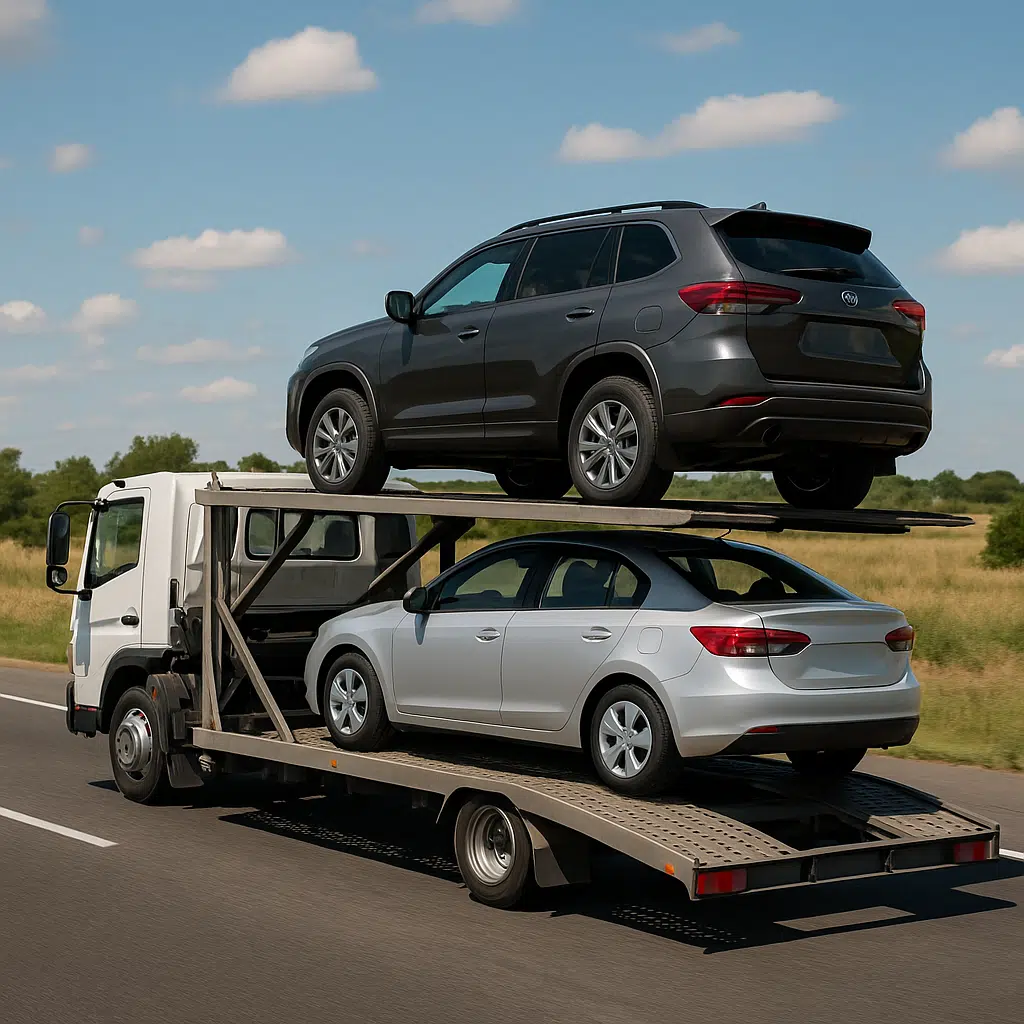
Vehicle carriers have a fixed amount of space available. Larger cars like SUVs, 4WDs, and vans take up more room than compact sedans or hatchbacks, meaning fewer vehicles can be loaded onto the same truck. This leads to fewer bookings per load and higher transport costs per vehicle for the carrier.
If your vehicle is oversized, modified, or unusually shaped (like a lifted 4WD or extended wheelbase van), the carrier may also need to make adjustments to loading procedures or equipment. These special handling requirements often come with additional fees.
It’s not just length and width that affect transport fees, weight and height are also critical. Heavier vehicles may require reinforced trailers or be subject to road transport weight regulations, especially on interstate routes. Similarly, if your vehicle exceeds standard height restrictions, it may need to be transported on an open carrier with higher clearance or in a special enclosed truck, both of which cost more.
Looking to move a trailer, SUV, or ute? Our team can help with interstate car transport for larger vehicles.
While every quote is tailored to the specific transport job, here’s a quick rundown of vehicles that usually incur higher transport costs:
Need help moving a non-running or damaged car? Check out our detailed FAQ on how to move a non-running vehicle.
To ensure you get an accurate and fair quote, be upfront about your vehicle’s dimensions, modifications, and condition. Accurate details allow our transport partners to allocate the right carrier, avoid loading issues, and prevent last-minute re-quotes or delays.
For example, when you request a quote with National Car Movers, we ask for your vehicle’s make, model, and condition to match you with the right transporter and provide the best available pricing, with no hidden costs.
If you’re moving a larger vehicle and want to keep costs down, here are a few suggestions:
Want to understand other cost factors beyond car size? Check out our article on key factors that affect trailer transport costs.
Key Takeaways
At National Car Movers, we handle everything from compact hatchbacks to lifted 4WDs, trailers, and more. With our network of fully insured Australian carriers, we’ll match you with the best transport option for your vehicle’s size and destination.
Get a fast quote today or call 1300 396 099 to speak to our local support team.