
Recent prices
Brisbane


5 min read
Note: This is a general approach and each carrier and service company handle things differently.
Key Takeaways
When relocating or purchasing a boat, one of the biggest decisions is how to get it from point A to point B. Two common options are arranging professional boat transport or hiring a skipper to sail it to its destination. While both approaches can work depending on circumstances, each comes with different costs, risks, and practical considerations.
This guide breaks down the differences between boat transport costs and hiring a skipper, helping you decide which option is better suited to your situation.
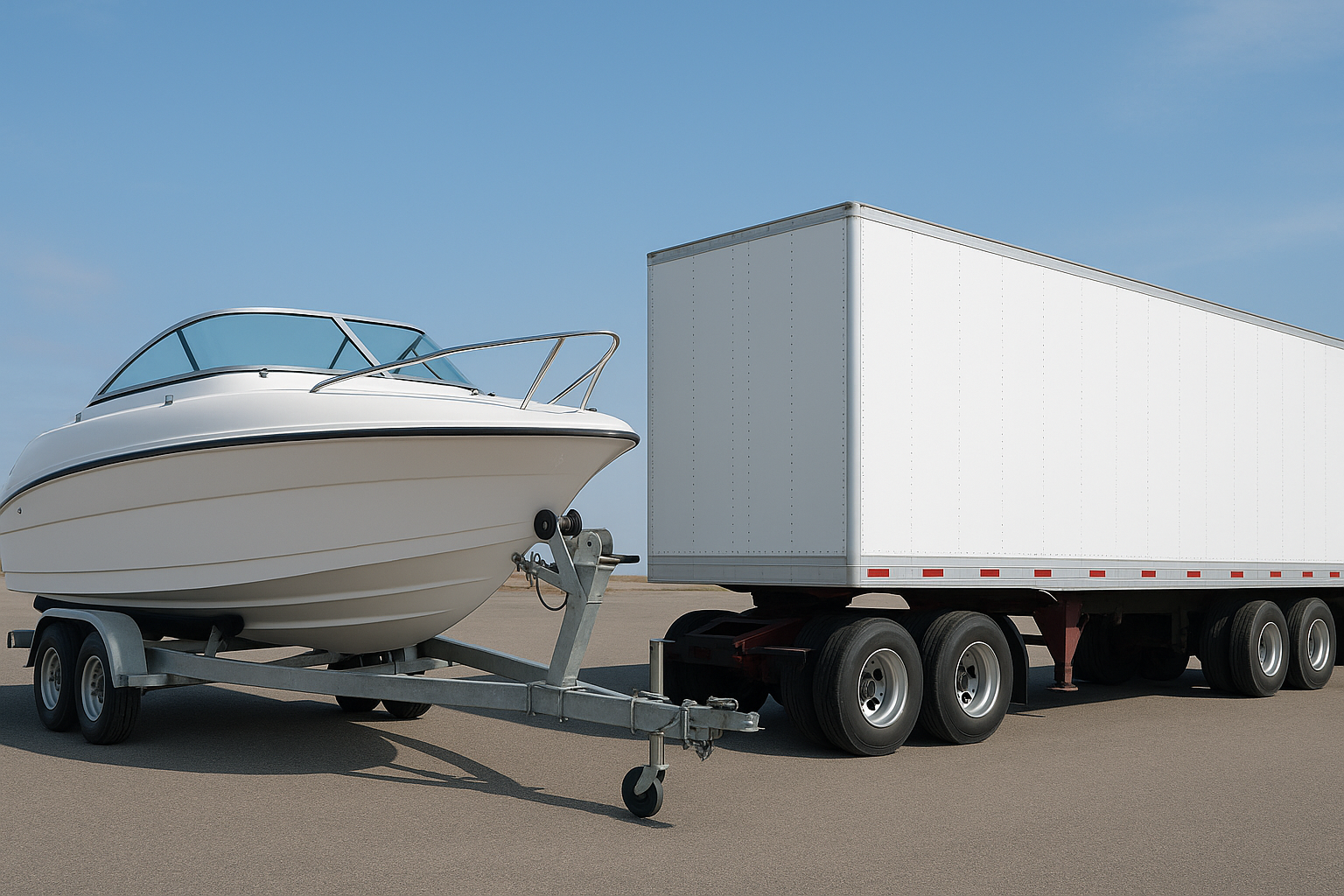
Professional boat transport involves moving your vessel by road using specialised trailers and equipment. This option is often chosen for long distances, inland moves, or when time and predictability are important.
Boat transport costs typically include loading, securing, road transport, permits if required, and insurance during transit. While the upfront cost may appear higher than hiring a skipper, transport offers a structured, controlled process. For those unfamiliar with transport logistics, National Car Movers’ interstate boat transport services provide a clear example of how professional providers manage these moves safely and efficiently.
Hiring a skipper means engaging a qualified professional to sail your boat to its destination. Costs usually include the skipper’s daily rate, fuel, food, marina fees, and accommodation if overnight stops are required. In some cases, you may also need to cover return travel for the skipper.
While this option can seem cost-effective for shorter coastal trips, costs can quickly increase if the journey is long or delayed by weather. There is also increased wear on the vessel, as the boat is operating under its own power for extended periods.
At first glance, hiring a skipper may appear cheaper than boat transport. However, skipper-related costs can be less predictable. Weather delays, mechanical issues, or extended travel times can all add to the final expense.
Boat transport costs, on the other hand, are usually quoted upfront. This makes budgeting easier and reduces the risk of unexpected add-ons. For many owners, the certainty of a fixed transport cost outweighs the appeal of a potentially lower, but less predictable, skipper fee.
Risk is an important factor when comparing these options. Sailing a boat over long distances exposes it to weather, sea conditions, and mechanical strain. Even experienced skippers cannot eliminate these risks entirely.
With professional boat transport, the vessel is secured and not subjected to operational wear. Transport providers also carry insurance and complete condition reports before and after the move. If you’re unsure how coverage works, this FAQ on whether your vehicle or vessel is insured during transport offers helpful clarification on what protection typically applies.
Time is another key difference between the two options. Hiring a skipper depends heavily on weather windows and sea conditions, which can delay arrival by days or even weeks. This may not suit owners working to a fixed schedule.
Boat transport is generally more predictable. While road conditions and permits can affect timing, transport schedules are usually clearer and easier to plan around. This can be especially helpful when coordinating marina access, storage, or resale timelines.
There is no one-size-fits-all answer. Hiring a skipper may suit short, straightforward coastal trips where weather conditions are favourable and timing is flexible. Boat transport is often the better option for long distances, inland routes, or owners who prefer a controlled, insured process with minimal wear on their vessel.
Understanding your priorities, cost certainty, timing, risk tolerance, and convenience, will help guide your decision. If you’re unsure which option suits your move, discussing your situation with an experienced provider can be valuable.
Before committing to either option, it’s worth speaking with professionals who understand both transport logistics and vessel handling. Clear advice upfront can help you avoid unexpected costs or complications later.
If you’d like to explore professional transport pricing or ask questions specific to your boat and route, you can reach out through the National Car Movers contact page for tailored information and guidance.